

Digital marketing in India is undergoing seismic shifts. In a market where over a billion people are increasingly connected, and where culture, language, income, and digital literacy vary widely, the future of digital marketing in India isn’t just about scaling what works today. It’s about rethinking creativity, technology, measurement, and how brands engage communities. In this blog, we’ll examine the key drivers shaping the future of digital marketing in India, the tactics and technologies that will dominate, organizational implications, challenges, and a roadmap for brands to adapt — culminating in a conclusion that ties together what it takes to succeed.
Setting the Stage: India’s Digital Ecosystem
Understanding where we are is essential for predicting where we’re going.
A. Growth of Internet & Mobile Penetration
- India has added hundreds of millions of internet users over the past decade. Many of them are mobile-first explorers, stepping into the web through smartphones—an essential shift shaping the future of digital marketing in India. Affordable data plans have fueled this swell of connectivity.
Rural regions are steadily catching up with urban centers; the digital divide is thinning, though its outline hasn’t vanished entirely.
B. Demographic Diversity
- India’s population stretches across more than 20 major languages and hundreds of dialects. Culture, festivals, and preferences shift from state to state—even district to district—creating a vibrant mosaic that deeply shapes the future of digital marketing in India.
Income levels vary widely, and so does device quality: many users rely on low-end smartphones, while others experience intermittent connectivity, adding another layer to how brands must design and deliver digital experiences.
C. Digital Consumer Behavior
- Rising demand for short, easily digestible content—videos, images, fleeting story formats—is reshaping the future of digital marketing in India.
Comfort with online shopping and digital payments (UPI, wallets, and the ever-expanding constellation of fintech tools) continues to grow.
A significant share of new internet users gravitates toward content in their regional languages, nudging brands to think multilingual by design.
Macro Forces Shaping the Future

Before delving into tactics, it helps to outline the broader forces that will shape digital marketing in India over the next 3-5 years (and even beyond).
A. Technological Acceleration: AI, 5G, AR/VR
-
Artificial Intelligence (AI): Already, AI helps ad targeting, optimizes bidding, and automates basic creative tasks. In the future of digital marketing in India, AI will expand its role — supporting creative ideation, generating full-fledged content, powering predictive analytics such as customer lifetime value and churn forecasting, and enabling smoother voice-based or conversational interfaces.
5G and Network Improvements: As 5G adoption accelerates, the future of digital marketing in India will shift toward richer media experiences. High-definition video, AR filters, live commerce, and 360-degree product demonstrations will become standard because buffering and lag will fade into the background. This allows brands to create deeply immersive digital environments.
Augmented Reality / Virtual Reality (AR/VR): The future of digital marketing in India will see AR try-ons for fashion and beauty, virtual property walkthroughs, AR-powered ads, and interactive social filters becoming far more common. As these technologies mature, they will reshape how consumers explore, test, and trust digital products.
B. Privacy, Regulation, and Data Changes
-
Global shifts toward privacy—curbing third-party cookies, tightening data laws—are reshaping the future of digital marketing in India as well. Users are increasingly alert to how their data travels, and local regulations will only grow firmer.
Platforms across search, social, and browsers are migrating toward privacy-preserving technologies. Attribution models will bend, twist, and reform; measurement practices will need new scaffolding.
First-party data—earned openly, consensually—will rise in value. Brands that cultivate trust and gather data with integrity will hold a quieter but decisive advantage.
C. Cultural & Linguistic Diversity
- As digital penetration deepens into smaller towns, rural pockets, and among less tech-steady users, regional-language content will shape much of the future of digital marketing in India.
Cultural context — festivals, local events, shifting social cues — will become essential for genuine relevance.
Local creators and influencers with regional audiences will often outshine national or metro-centric celebrities, giving brands a more grounded path into the country’s layered markets.
D. Commerce Convergence
- Social commerce, conversational commerce, and live commerce are gradually folding into one continuous stream — discovery, engagement, and purchase drifting closer until they almost touch. This convergence is becoming a defining feature of the future of digital marketing in India.
The traditional “funnel” is collapsing: users stumble upon products through content, interact through social or live video, and complete their purchase within the same (or closely linked) platforms.
E. Creator Economy & Community
- Creators are no longer just marketing channels; they’ve become collaborators in product shaping, storytelling, and brand identity — a shift that’s central to the future of digital marketing in India.
Consumer trust now often gathers around micro- and nano-influencers who speak to tightly defined communities, offering a kind of authenticity that mass messaging rarely matches.
Key Trends & Tactics: What’s Coming (and What Brands Must Do)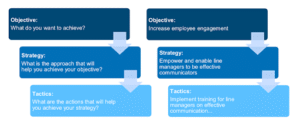
To succeed as the landscape shifts, brands will need to adopt new tactics aligned with the forces shaping the future of digital marketing in India. Below are detailed trends and recommended actions.
Trend A: Short-form Video Takes Center Stage
What It Is
Short videos — those quick 15–60 second bursts, usually vertical and sculpted for mobile-first attention — are becoming a defining pulse in the future of digital marketing in India.
Platforms like Instagram Reels, YouTube Shorts, and TikTok-like regional alternatives are driving this acceleration, shaping how stories, trends, and brand moments travel through the country’s digital corridors.
Why It Matters
- Users have shorter attention spans; scrolling is easy; many users discover content first via video.
- Visuals + motion = higher engagement, especially with audio/visual storytelling.
What Brands Should Do
- Build a dedicated content pipeline for short-form video — from ideation to scripting, shooting, editing, and rapid iteration — a practice becoming essential in the future of digital marketing in India.
Use creator partnerships to bring authenticity into the frame; local creators often ground the message in lived experience.
Test multiple creative hooks and read the early signals through watch-through rates and drop-off points.
Make every clip decisive: each video should carry a clear next action — follow, click, purchase, or whatever path you want the viewer to tread.
Trend B: Live & Hybrid Commerce
What It Is
Live streaming sessions — often led by influencers — are becoming powerful retail stages where products are showcased and sold in real time, forming a vivid strand of the future of digital marketing in India.
Hybrid commerce is also taking shape: blending live and pre-recorded content, mixing social posts with checkout integrations, and letting discovery and purchase sit almost side by side.
Why It Matters
-
This format blends entertainment with a sense of urgency, carries built-in social proof, and opens space for real-time audience interaction — questions, reactions, micro-moments of trust — all of which shape the future of digital marketing in India.
Friction drops sharply when viewers can buy directly inside the live stream or through seamless overlay links.
What Brands Should Do
- Pilot live commerce events for selected products or SKUs — a practical step toward understanding what will shape the future of digital marketing in India.
Bring in influencers or trusted hosts who can energize the session and keep engagement alive.
Prioritize technical smoothness: clear video, minimal lag, stable connectivity, and seamless payment pathways.
Promote the event ahead of time, release teasers, and sync the session with festivals or cultural moments to heighten relevance.
Trend C: Vernacular & Localised Content
What It Is
Content in regional languages — enriched with local idioms, festivals, humor, and stories — is becoming a central force shaping the future of digital marketing in India.
Local creators and localized creative assets help brands resonate more naturally with the audiences they’re trying to reach.
Why It Matters
- Many users prefer content in their mother tongue; comprehension, trust, and emotional connection are stronger.
- Less competition; many brands are behind in true localization.
What Brands Should Do
- Identify priority regional markets based on growth potential — a crucial step in shaping the future of digital marketing in India.
Build or hire local teams or creators who can craft messages that genuinely resonate within those regions.
Go beyond translation: adapt tone, narratives, and visual styles so they feel native, not transplanted.
Measure regional response carefully and scale the approaches that truly connect.
Trend D: Voice Search & Conversational Interfaces
What It Is
Voice-enabled search (via mobile assistants, smart speakers), chatbots, conversational UI on apps/web, voice-first content formats.
Why It Matters
- For users who are less literate or less comfortable typing in English or even their native script, speaking becomes the easier doorway into the web — a shift that increasingly shapes the future of digital marketing in India and the rising importance of voice search in India.
Voice search queries tend to be longer and more conversational, reflecting natural speech patterns rather than typed shortcuts.
What Brands Should Do
- Optimize for long-tail, question-based keywords (“How to…”, “Where is…”) — an approach that aligns closely with how users will search in the future of digital marketing in India.
Create voice-friendly content: FAQs and conversational blog posts that echo natural speech patterns.
Implement chatbots for customer support or guided buying, and explore voice-based interfaces where they genuinely add ease.
Monitor voice-usage metrics, study feedback loops, and adjust your content so it evolves with user behavior.
Trend E: First-Party Data & Privacy-Compliant Analytics
What It Is
Collecting data directly from users with consent (site visitors, app users, email subscribers), reduced reliance on third-party cookies, privacy-preserving technology, and advanced analytics for attribution and incrementality — all shaping the future of digital marketing.
Why It Matters
- Regulations and platform policies are moving away from invasive tracking, and users are increasingly concerned about privacy and data use. In this landscape, brands that own their data gain greater control over messaging, targeting, and measurement — a defining shift in the future of digital marketing
What Brands Should Do
- Assess current data collection and usage to ensure compliance with laws and regulations. Build or integrate a Customer Data Platform (CDP) or other unified data infrastructure. Use consent management tools and keep privacy policies transparent. Adopt measurement strategies such as lift tests, hold-out groups, and incremental attribution rather than relying on third-party tracking alone — essential practices shaping the future of digital marketing
Trend F: Creator Economy & Influencer Deepening
What It Is
Moving beyond influencer campaigns as one-off endorsements toward long-term partnerships, product co-creation, affiliate models, and community-led programs. Micro and nano influencers with niche, highly engaged audiences will be especially valuable — a defining shift in the future of digital marketing.
Why It Matters
- Audiences trust creators more than traditional advertising.
- Micro-influencers are often more cost-efficient and able to reach engaged, specific segments.
What Brands Should Do
- Develop a creator strategy by defining who to partner with, their roles, and compensation models — whether fixed, performance-based, or product-share. Co-create content and products with creators to maintain authenticity. Measure influencer impact not just by reach, but by engagement, conversion, and consumer sentiment — all increasingly central to the future of digital marketing
Trend G: Immersive & Interactive Experiences
What It Is
AR filters, virtual try-ons, 360-degree product views, interactive video, gamified experiences.
Why It Matters
- These formats increase engagement, reduce purchase hesitation (for instance, trying before buying), and differentiate brands.
What Brands Should Do
- For product categories where touch or trial matters — fashion, beauty, furniture, real estate — experiment with AR/VR experiences. Use interactive content such as polls, quizzes, and clickable videos to deepen engagement. Ensure every experience performs smoothly on mobile, including low-end devices — an essential frontier in the future of digital marketing
Trend H: Hyperlocal & Geo-targeted Marketing
What It Is
Targeting neighborhoods, towns, districts; tailoring messages for local festivals or weather or local events; leveraging local influencers; integrating with offline commerce like Kiranas.
Why It Matters
- Local relevance often boosts trust and conversion.
- Many consumer decisions are influenced by local context — stores, social norms, nearby references.
What Brands Should Do
- Use geo-fencing and local ad placements to reach audiences at the right moment. Localize offers and timings to match regional seasons and festivals. Engage local partners such as neighborhood shops, micro-influencers, and community events. Test small and scale what works — a core principle of effective local digital marketing
Organizational & Skill Implications
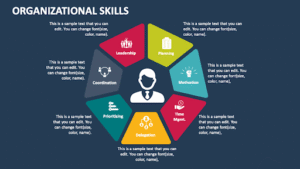
For many brands, succeeding in this future will require internal change, not just external tactics.
A. New Roles & Capabilities
- Data Analysts / Data Scientists who can not only collect data but do predictive modeling, compute lifetime value, and measure lifecycles.
- AI/Prompt Engineers for those brands leveraging AI-driven content generation.
- Creator/Influencer Managers who can handle contracts, creative collaboration, compliance, measurement.
- Localization Specialists / Cultural Strategists to ensure regional relevance.
- Conversational Designers for chat / voice flows.
B. Team Structure & Process
- Cross-functional teams or squads: combining creative, data, tech, operations.
- Faster iteration cycles: test & learn philosophy, more pilots, fewer big bets without data.
- Collaborative workflows with external creators, freelancers, regional partners.
C. Budgeting & Investment Priorities
- Reallocate marketing budgets toward experiments (short videos, live commerce, AR) rather than only tried-and-tested channels.
- Investment in technology infrastructure: data platforms, analytics tools, automation.
- Training and upskilling internal teams in digital skills, data literacy, creative adaptation.
Challenges & Risks

While the opportunity is tremendous, there are significant challenges brands must navigate.
A. Privacy, Consent, and Regulation
- Misuse of data can lead to erosion of trust and legal issues.
- Regulations globally (and domestically) may impose stricter rules around data collection, ad targeting, and opt-in traceability.
B. Platform Dependency & Algorithmic Risk
- Over-reliance on a single platform (e.g. one social network or marketplace) may expose brands to risk if platform policies change.
- Organic reach drops, algorithm changes, costs per click/spend volatility are ongoing risks.
C. Talent Gaps & Resource Constraints
- Skilled people who can span technical, creative, analytical domains are in short supply.
- Smaller brands may struggle to match resources of bigger competitors.
D. Infrastructure Constraints in Certain Regions
- Bandwidth, device capability, connectivity intermittency remain issues in remote or rural areas.
- Payment infrastructure, logistics, fulfillment in some regions still less developed.
E. Cultural Missteps
- Mistakes in localization — using wrong dialect or tone, misappropriating cultural symbols — can backfire.
- Creators’ actions or associations may risk brand reputation if not carefully managed.
Roadmap for Brands: How to Prepare in 12-24 Months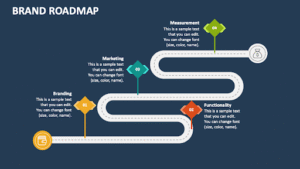
Here is a suggested phased plan that brands — whether startups, SMEs, or larger enterprises — can adopt to align with upcoming trends and build capability.
| Phase | Duration | Key Focus Areas | Deliverables / Milestones |
| Phase 1 – Foundation (Months 1-4) | 4 months | Audit & Baseline | Audit current digital assets, data systems, consent infrastructure. Map current content & creative production pipelines. Identify high-potential regional markets. Build baseline metrics (LTV, CAC, retention, conversion funnels). |
| Phase 2 – Experimentation & Pilots (Months 5-9) | 5 months | Testing New Formats & Localisation | Run pilot campaigns in short-form video and live commerce. Test regional language creatives. Small-scale voice search optimization. Introduce chatbots or conversational flows. Run hold-out or incrementality tests for major campaigns. |
| Phase 3 – Scaling Success (Months 10-15) | 6 months | Scale What Works | Expand high-performing creative & localization tactics into other regions. Build creator partnerships with long-term contracts. Solidify commerce integrations (social, live). Invest in immersive experiences (AR, interactive content) for high-impact product lines. Expand team roles or external partner network. |
| Phase 4 – Institutionalizing & Optimization (Months 16-24) | 9 months | Embed & Optimize | Establish measurement playbooks with dashboards for cross-platform insights. Upskill employees. Refine data infrastructure: CDP, analytics, consent tools. Fine tune budget allocation toward high ROI channels. Prepare for ongoing adaptation to platform and regulatory changes. |
Roadmap
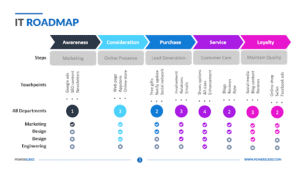
Shifting focus from vanity metrics to outcome-oriented metrics is crucial. Here are the metrics and KPIs brands should emphasize.
| Metric Type | Examples | Why It Matters |
| Acquisition Efficiency | CAC (Customer Acquisition Cost), Cost per conversion, CPA in different channels & regions | Helps understand what channels are efficient and scalable. |
| Engagement & Retention | Watch-through rates, repeat purchase rate, churn rate, active users over time | Maintaining users over time often matters more than just getting them. |
| Customer Lifetime Value (LTV) | Average order value over customer’s lifetime, repeat purchase frequency, cross-category purchase | High LTV makes acquisition investment more sustainable. |
| Incrementality & Lift | Measured uplift from campaigns vs baseline, hold-out experiments | Tells you what is actually adding value rather than just consuming budget. |
| Localization and Regional Performance | ROI by region / language, performance of vernacular content vs non-vernacular, regional customer feedback | Enables smart scaling and deeper reach. |
| Conversion Rates Through New Formats | Live commerce conversion, AR experience conversion, voice search traffic to purchase, social commerce click-to-buy rates | To know which emerging trends are viable. |
| Owned Channels Growth | Email list growth, app installs, subscriber counts, direct traffic | Less reliant on third-party platforms; more control. |
Hypothetical Use Cases & Mini-Case Studies
Use Case 1: D2C Beauty Brand
-
Challenge: A crowded marketplace and high return rates, often because customers feel uncertain about shade or texture—an especially thorny issue in the evolving future of digital marketing in India, where beauty-buying habits vary across regions.
Approach:
-
Deploy AR try-on filters so customers can virtually test shades.
-
Use short video tutorials in regional languages to demonstrate application on local skin tones.
-
Partner with micro-influencers in Tier-2/3 cities who carry genuine community trust.
-
Host a live commerce event during a major regional festival and bundle products with festival-specific designs.
-
Use Case 2: Fintech for First-Time Users
- Challenge: Hesitation, trust issues, literacy, language barriers.
- Approach:
- Onboarding experience in local languages, with voice prompts or guided tutorials.
- Use chatbots to answer common queries in the user’s language.
- Create content (short videos, infographics) that explains features simply.
- Offer small incentives via social commerce or live sessions.
- Result: Higher activation rate among rural/semi-urban users; better retention thanks to trust built via clarity; increased adoption across states.
Use Case 3: FMCG Brand with Local Flavour
- Challenge: Price sensitivity among rural markets; many competitors; limited reach.
- Approach:
- Localize packaging messages, creative ads aligned with local festivals.
- Use geo-targeted offers via mobile ads tied to local Kirana stores.
- Build creator partnerships with regional food bloggers or recipe creators.
- Combine offline presence (store displays) with online promotion (social videos, WhatsApp catalogs).
- Result: Incremental sales in previously underpenetrated pockets; stronger brand recall; more efficient media spend because of local relevance.
Challenges Remain: Realistic Barriers & Mitigation
Challenge 1: Infrastructure Gaps
- Regions with unstable internet and low-capability devices may struggle with data-intensive formats like AR or high-definition video—an unavoidable wrinkle in the future of digital marketing in India, where access levels vary wildly across geographies.
Mitigation: Ensure experiences degrade gracefully; offer lighter versions; and design inclusively so low-bandwidth users are never pushed to the margins.
Challenge 2: Regulatory Uncertainty
- Data privacy laws may evolve; platforms might change policies with little notice.
- Mitigation: Stay updated on legal changes; build privacy compliance into operations; keep flexibility in strategy.
Challenge 3: Creators & Quality Control
-
Working with many creators increases complexity and risk: inconsistent quality, misunderstandings, and reputational pitfalls can ripple through campaigns—especially in the future of digital marketing in India, where creator ecosystems are expanding rapidly.
Mitigation: Establish clear guidelines and contracts; perform due diligence; maintain a consistent quality review process; and diversify your creator base to reduce dependency.
Challenge 4: Measurement Complexity
- As channels proliferate (live commerce, social commerce, voice), attributing conversion and determining causality becomes harder.
- Mitigation: Use hold-out tests and experiments; invest in data infrastructure; triangulate measurement (qualitative feedback + quantitative stats).
Challenge 5: Cultural Sensitivity
- Misinterpretation of local cultural norms can cause backlash.
- Mitigation: Use local experts; test messages; include cultural review in creative process.
The Vision: What Success Looks Like in 5 Years
-
In the future of digital marketing in India, content landscapes will be dominated by short-form video and live interactive commerce, with creators woven tightly into brand narratives across every region.
Strong vernacular ecosystems will continue to rise, where regional languages drive the majority of new users and revenue acceleration.
Privacy-first measurement norms will define the new standard: first-party data, consent-driven marketing, and robust attribution frameworks becoming core to strategy.
Immersive experiences will feel ordinary — virtual try-ons, AR filters, and voice-led interfaces threaded through everyday user journeys.
Integrated commerce systems will evolve, making discovery, social engagement, conversation, and purchase feel like a single fluid motion across apps, social platforms, and chat environments.
Marketing teams will grow more sophisticated, blending data fluency, creativity, technology, localization, and agile workflows — all empowered by modern, intelligent tools shaping the future of digital marketing in India.
Roadmap: What Brands Should Do Right Now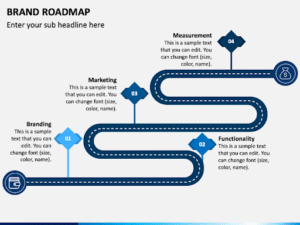
Audit Data & Consent
- Review what first-party data is being collected, how, stored, and used.
- Implement or upgrade consent management
Invest in Localization Early
- Choose 2-3 regional languages that match your growth potential.
- Hire creators / local content producers.
Set Up Creative Experimentation
- Build short-form video capacity.
- Test different formats: live, AR, interactive.
Build Creator Partnerships
- Identify creators whose audience aligns with your customer segments.
- Establish performance metrics; explore co-creation.
Strengthen Measurement & Analytics
- Define key metrics (LTV, CAC, retention).
- Use experiments (hold-outs) to measure true impact.
- Invest in dashboards that combine data across channels.
Explore Conversational & Voice Interfaces
- Pilot voice or chatbot flows in one or two customer journey points.
- Monitor feedback and conversion.
Align Budget & Operations
- Shift part of marketing budget to newer, tested formats.
- Upskill team members; bring in expertise where needed.
Conclusion
The future of digital marketing in India is not simply about more ads, more platforms, or more spend—it’s about smarter, more human, and more locally relevant engagement. It’s about using technology — AI, AR/VR, data analytics — as enablers, not replacements, of cultural insight, trust, and storytelling.
Brands that thrive will be those that invest in first-party customer relationships; that respect and understand linguistic and cultural differences; that design for privacy and consumer expectations; and that combine speed of experimentation with discipline in measurement. The winners will view creators not as just amplifiers of messages but as co-creators of brand identity. Success will come from seamless commerce integrated into discovery, whether via live video, chat, social media or voice.
India’s consumer market is vast, diverse, and changing rapidly. But within that change lie patterns — growth in vernacular, demand for immersive and interactive content, expectation of transparency, increasing reliance on creators. For brands willing to adapt, learn, and act with agility, the opportunities are monumental.
If you are building or leading a marketing team, ask yourself: Are you prioritizing regional content? Do you have a plan for privacy-first data collection and measurement? Have you built a creative engine capable of fast, iterative production? If the answer is “not yet,” there is no better time than now to begin. The future of digital marketing in India belongs to those who combine technology with authenticity, speed with purpose, and reach with relevance.
Author:Nisam